How many takes does a singer need to record vocals?
Omar Vallejo on takes, punch-ins, comping and headphone mixes, for singers getting ready to record vocals at 512 Studios in Austin.
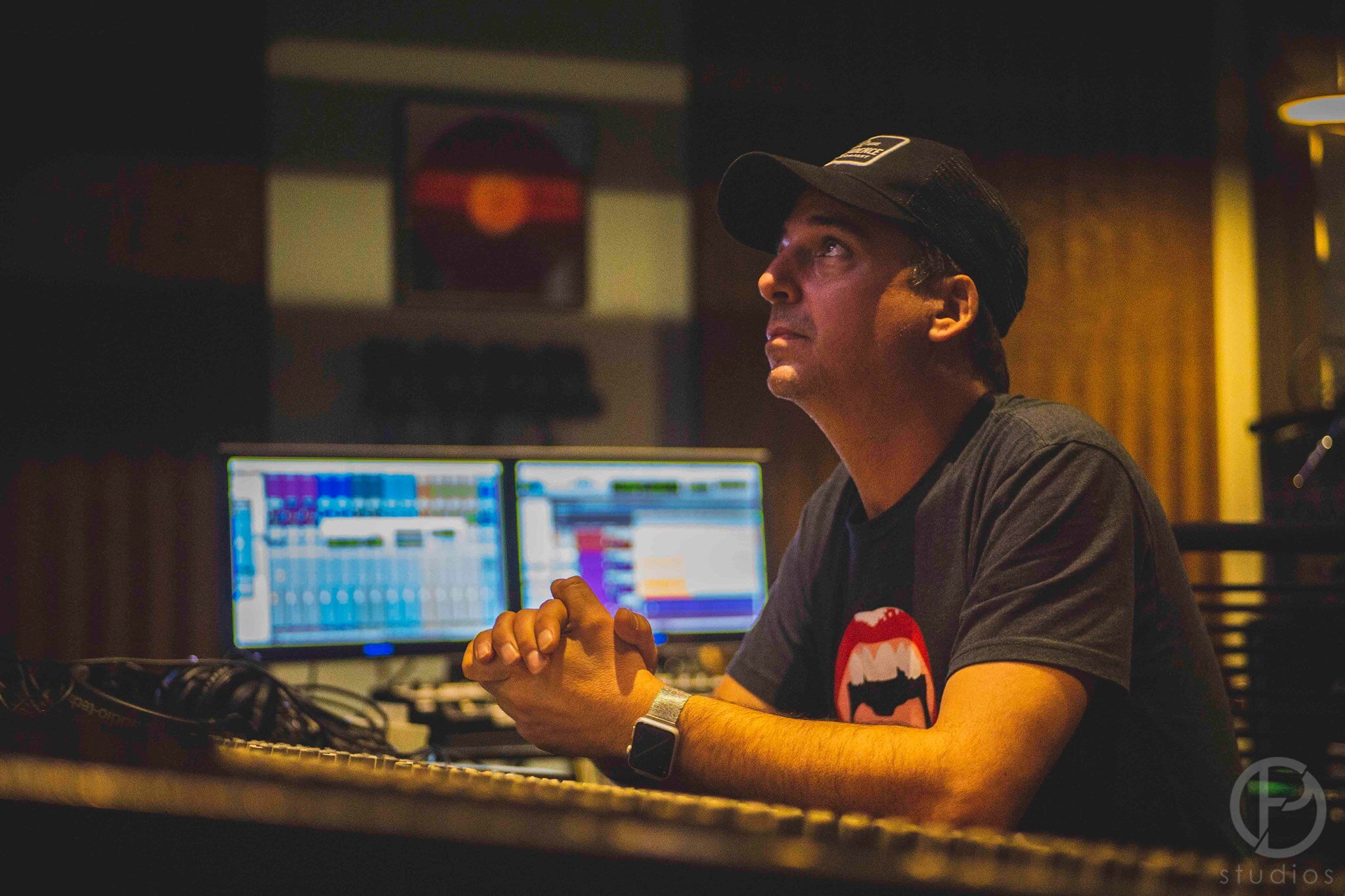
Most singers need several full takes of a lead vocal, and three to six complete passes is a sensible place to start, followed by short punch-ins to fix single lines. The finished vocal is usually a comp, meaning the best lines from those takes joined into one performance. At 512 Studios in Austin the vocal runs through the analog console into Pro Tools, where every take can be kept and compared.
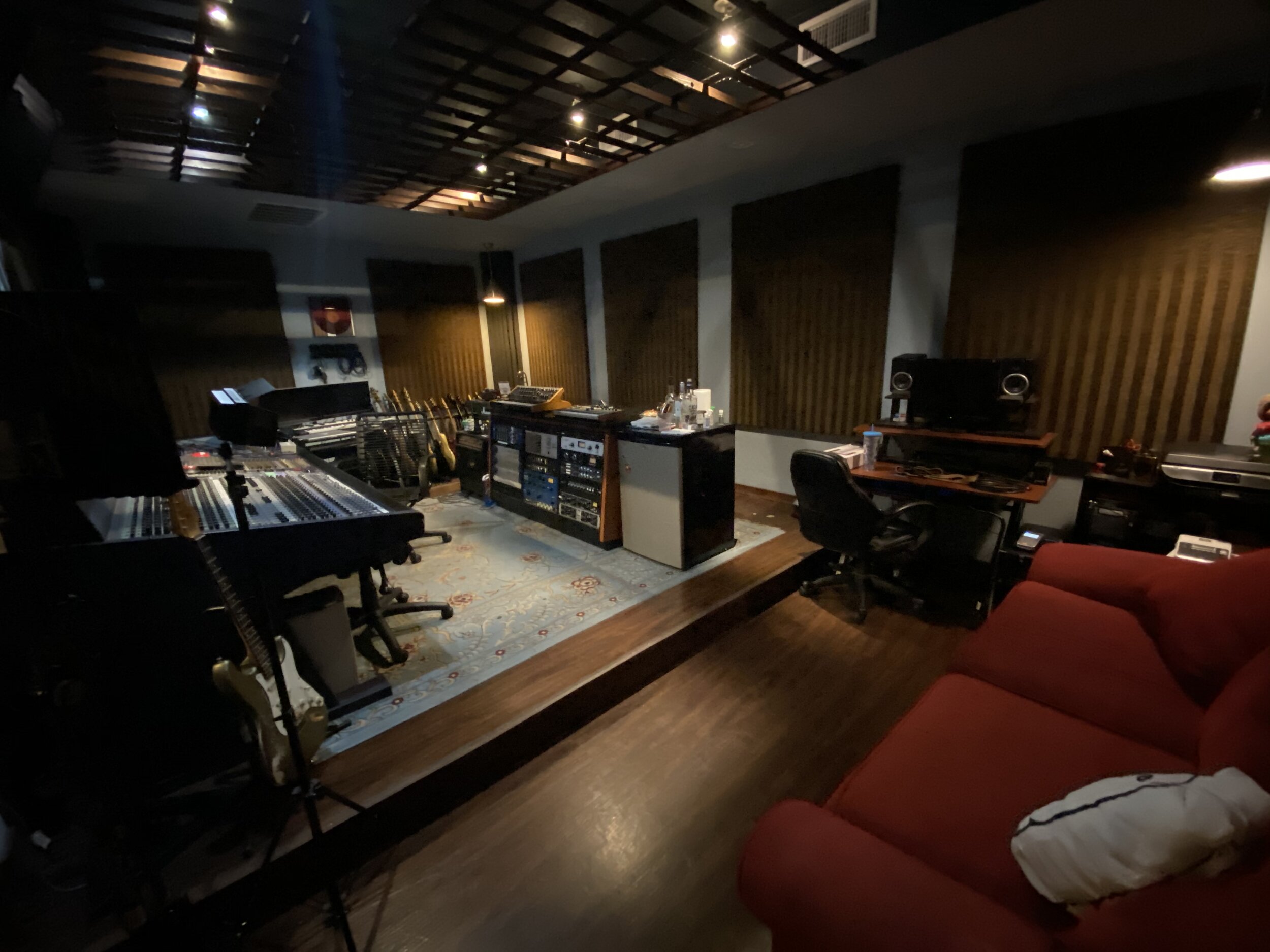
How many takes will I have to sing?
A singer recording a lead vocal should expect several full takes, not one. Orpheus Audio Academy's guide to vocal takes suggests at least three passes of a lead vocal and ideally five or six, which is a good starting point rather than a rule. Some songs land in two passes. A hard bridge might need many more tries on its own.
The count matters less than having choices. With three good takes, whoever builds the final vocal has options on every line. With one take, a small crack in the second chorus either stays in the song or sends you back to sing the whole thing again.
Should I sing the whole song top to bottom or in sections?
Singing the whole song top to bottom is usually the better way to start a vocal session, because a full pass keeps the build of the song intact. The verses lead into the choruses the way they will on the record, and the singer finds the emotional arc without stopping every few bars. Sections come later, once a few complete takes exist.
Working in sections has its place. A chorus at the top of your range, or a line packed with fast words, can be sung five times in a row while the part is fresh. I'd rather get full passes down first and then go after the hard spots. A vocal built only from short sections can end up with a verse and a chorus that sound like they were sung on different days.
What do punching in and comping mean?
Punching in means recording over just one part of a take. The engineer plays the song back, the recording switches on at a set point to catch the singer's new line, and it switches off again after. Comping, short for compiling, means listening back to several full takes and picking the best version of each line, sometimes each word, to build one finished vocal.
At 512 Studios the vocal is tracked through the analog console and captured in Pro Tools, which can hold each take on its own playlist. A punch-in doesn't have to erase what was underneath, so every pass is still there when the comp gets built.
The comp is where taste matters most, because the best-pitched line isn't always the one with the most feeling in it. At 512 the same producer who records the vocal also mixes it, so the person choosing lines for the comp already knows where the voice has to sit in the finished song.
How should I prepare my voice and lyrics before a vocal session?
Preparing for a vocal session starts with knowing the lyric cold, so a singer's attention goes to the performance instead of the words. Print the lyric sheet, mark where you breathe, and rehearse in the same key and at the same tempo as the recording. Settling a key or rewriting a line on the day uses studio time and fresh voice on something you could have decided at home.
The voice itself needs looking after in the day or two before:
- Get a full night's sleep. A tired voice runs out early.
- Drink water through the day before and the day of the session.
- Go easy on the voice the day before: no shouting over a loud bar, no long rehearsal of the hardest song.
- Warm up before you sing for real. Start around fifteen to twenty minutes of gentle humming, lip trills or scales, and use the routine your voice already knows.
- Tell the engineer at the start which lines worry you, so they can be planned for instead of discovered.
What should I hear in my headphones when I sing?
A good headphone mix for a singer has enough of the singer's own voice to stay in tune, plus the parts that carry pitch and time, usually the bass, the drums and a chord instrument. When the voice in the headphones is too quiet, singers tend to push and strain. When the voice is too loud, the performance often gets small and careful.
Ask for changes as often as you need them. The engineer is listening to a different mix in the control room, and Sound on Sound's piece on cue monitoring makes the same point: only the performer knows what they need to hear. Some singers like a little reverb on their voice while they sing, which the same article says can help confidence and pitching. Others slide one side of the headphones off to hear themselves in the room.
512 Studios runs an 8-channel headphone system, so every player can have their own mix. When the band is tracking together, the singer doesn't have to settle for a mix built for the drummer.
When should a singer stop recording for the day?
A singer should stop recording when the takes stop getting better. The usual signs are held notes sliding flat, the top of the range turning thin or scratchy, and the same line going wrong in the same place over and over. Pushing past that point mostly records a tired voice, and tired takes rarely make it into the final comp.
A short break with water and some quiet often brings the voice back. When it doesn't, finish the missing lines another day. The takes are kept in Pro Tools and the session can be recalled, so a later session picks up where this one ended.
Quick answers
Which microphone will I sing into at 512 Studios?
Most days the lead vocal at 512 Studios goes through a Neumann U 87 Ai, a large-diaphragm condenser microphone.
What is a scratch vocal?
A scratch vocal is a guide vocal sung while the band records, so the players can follow the song. It is usually replaced later, though now and then a scratch take has something the later takes can't match.
Who mixes my vocal after I record it?
At 512 Studios, recording, mixing and mastering happen in house with the same producer. The person who helped you get the take is the one who places it in the mix.
Further reading
Want to hear it in the room? Call (512) 522-0359 and tell us about the record, or book time.
More notes
Should a band record an album live together or one instrument at a time?
How to set up a live band recording: who goes in the isolation booths, what to do about bleed, how the headphone mixes work, and which parts still get overdubbed.
What does analog tracking through a console change for a band?
Recording through a large analog console into Pro Tools moves the big sound decisions to the moment the band is playing, and here is what that means for your session.